The Glass Castle Reading Guide: A Comprehensive Exploration
This guide delves into Jeannette Walls’ poignant memoir, offering a detailed exploration of its themes, characters, and impactful scenes for insightful discussion.
It provides questions and analyses to enhance understanding of resilience, family dynamics, and the pursuit of dreams amidst adversity, starting January 9, 2026.
Jeannette Walls is an American author and journalist renowned for her critically acclaimed 2005 memoir, The Glass Castle. This compelling narrative recounts her unconventional and often tumultuous upbringing, shaped by nomadic parents and a life steeped in poverty; Walls’ writing is characterized by its unflinching honesty and remarkable resilience, offering a raw and intimate portrayal of childhood adversity.
The Glass Castle isn’t simply a recounting of hardship; it’s a testament to the enduring power of the human spirit. The memoir opens with a striking scene – Jeannette, as an adult, observing her mother scavenging for food in a New York City dumpster – immediately captivating the reader and hinting at the extraordinary story to unfold. Walls masterfully balances vulnerability with a detached observational perspective, allowing readers to connect with her experiences while maintaining a critical distance.
This reading guide aims to facilitate a deeper understanding of Walls’ narrative, exploring the complexities of her family, the symbolism woven throughout the story, and the broader themes of poverty, neglect, and ultimately, triumph. Prepare to delve into a world both heartbreaking and inspiring, as we unpack the layers of The Glass Castle.
Overview of the Memoir’s Themes
The Glass Castle profoundly explores several interconnected themes, central to understanding Jeannette Walls’ extraordinary life. Resilience stands paramount, showcasing the children’s remarkable ability to adapt and survive despite consistent instability and parental neglect. Closely linked is the theme of family dynamics, specifically a dysfunctional unit marked by Rex and Rose Mary Walls’ unconventional parenting styles and their impact on Lori, Brian, and Jeannette.
Poverty and social class are starkly depicted, revealing the challenges and stigmas associated with economic hardship. The memoir doesn’t merely present poverty as a lack of material possessions, but as a force shaping identity and opportunity. Furthermore, the elusive “Glass Castle” itself embodies the potent theme of hope versus illusion, representing a promised future that perpetually remains out of reach.
Finally, the narrative subtly examines the complexities of forgiveness and acceptance, prompting readers to consider the lasting effects of childhood trauma and the possibility of reconciling with a flawed past. These interwoven themes create a rich tapestry, inviting critical reflection on the human condition.
The Walls Family Dynamic: A Dysfunctional Unit
The Walls family operates far outside conventional norms, presenting a deeply dysfunctional unit fueled by Rex and Rose Mary’s eccentric philosophies. Rex, a charismatic but unreliable father, prioritizes adventure and grand schemes over basic necessities, fostering instability. Rose Mary, an artist consumed by her creative pursuits, often neglects maternal responsibilities, prioritizing self-expression.
This dynamic creates a chaotic environment for the children – Jeannette, Lori, Brian, and Maureen – who are forced to assume adult responsibilities at a young age. They experience frequent moves, inadequate food, and a lack of consistent education. Lori often takes on a maternal role, shielding her siblings from the worst of their parents’ failings.
The family’s nomadic lifestyle and unconventional rules contribute to a sense of detachment and emotional distance. Despite the hardships, a peculiar bond exists, rooted in shared experiences and a unique, albeit flawed, love. This complex interplay of neglect, adventure, and resilience defines their familial landscape.
Rex Walls: A Complex and Contradictory Father
Rex Walls is arguably the most captivating and frustrating figure in the memoir, embodying a profound contradiction. He’s a brilliant, charismatic man with a penchant for storytelling and grand, often unrealistic, schemes – like the Glass Castle itself. However, this brilliance is consistently undermined by his alcoholism, irresponsibility, and inability to provide basic stability for his family.
Rex’s adventurous spirit and rejection of societal norms are initially appealing, but his recklessness leads to frequent moves, financial hardship, and emotional turmoil for his children. He teaches them self-reliance and critical thinking, yet simultaneously exposes them to danger and neglect.
His contradictory nature – capable of moments of genuine affection and inspiring lessons alongside periods of abandonment and cruelty – makes him a deeply flawed, yet undeniably compelling character. Understanding Rex requires acknowledging both his strengths and his devastating weaknesses.
Rose Mary Walls: Artistic Expression and Neglect
Rose Mary Walls, Jeannette’s mother, is a free-spirited artist who prioritizes her creative passions above the practical needs of her family. She’s a captivating, unconventional woman, dedicated to painting and self-expression, often to the detriment of her children’s well-being. Her artistic pursuits frequently take precedence over providing adequate food, clothing, or a stable home environment.
While Rose Mary encourages her children’s individuality, she’s emotionally detached and often indifferent to their suffering. She embodies a form of neglect stemming not from malice, but from a profound self-absorption and a refusal to conform to traditional maternal roles.

Her artistic endeavors, though personally fulfilling, symbolize a form of escapism and a detachment from the harsh realities of her family’s circumstances. Understanding Rose Mary requires recognizing the complex interplay between her artistic drive and her parental shortcomings.
The Children’s Resilience and Adaptability
A central theme of The Glass Castle is the remarkable resilience displayed by Jeannette and her siblings – Lori, Brian, and Maureen – in the face of extreme adversity. Despite enduring poverty, instability, and parental neglect, they demonstrate an extraordinary capacity to adapt and survive.
The children learn to fend for themselves at a young age, developing resourcefulness, independence, and a pragmatic outlook on life. They navigate a chaotic upbringing with a surprising degree of emotional fortitude, finding ways to support one another and maintain a sense of hope.
Their ability to overcome challenges and ultimately build successful lives is a testament to the human spirit’s capacity for resilience. Examining their individual journeys reveals different coping mechanisms and strategies for escaping the cycle of poverty and dysfunction.
Early Childhood: Nomad Life and Instability
Jeannette’s earliest years are characterized by a nomadic existence, constantly uprooted and moving with her unconventional parents, Rex and Rose Mary Walls. This instability stems from Rex’s restless spirit and avoidance of responsibility, coupled with the family’s chronic financial struggles.
The children experience a series of temporary homes, often dilapidated and lacking basic necessities. They learn to adapt quickly to new environments, becoming accustomed to frequent disruptions and a lack of permanence. This constant movement hinders their access to consistent education and social connections.
This period is marked by a sense of precariousness and uncertainty, as the Walls family relies on Rex’s often-failed schemes and Rose Mary’s artistic pursuits for survival. The children’s early experiences lay the foundation for their later resilience, but also inflict lasting emotional scars.
Welch, West Virginia: A Harsh Reality
The move to Welch, West Virginia, represents a significant descent into poverty and hardship for the Walls family. Unlike their previous, albeit unstable, nomadic lifestyle, Welch offers little opportunity and exposes the children to a stark and unforgiving reality.
The town is depicted as dilapidated and economically depressed, with limited resources and a pervasive sense of hopelessness. The Walls family settles into an abandoned house, further emphasizing their marginalized status and the lack of conventional support systems.
Here, the children confront the harsh realities of hunger, inadequate clothing, and a lack of proper healthcare. They navigate a challenging school environment and face social stigma due to their unconventional upbringing and impoverished circumstances. Welch becomes a crucible, testing their resilience and forcing them to rely on each other for survival.
The Glass Castle Promise: A Symbol of Hope
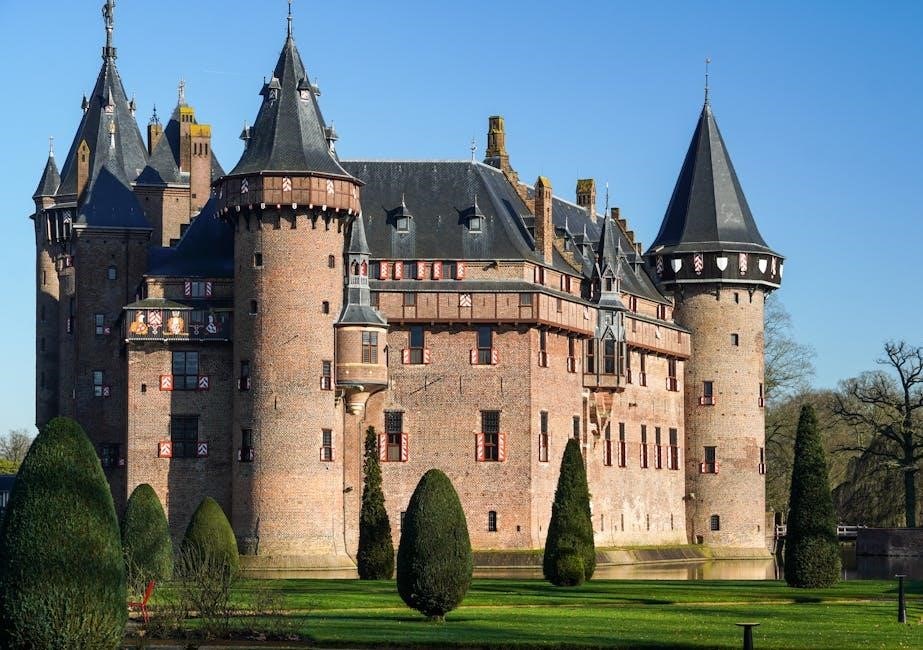
The “Glass Castle” itself functions as a powerful and multifaceted symbol throughout the memoir, representing Rex Walls’ grandiose promises and the family’s elusive dreams. It embodies hope, imagination, and the potential for a better future, yet simultaneously serves as a constant reminder of unfulfilled expectations.
Rex repeatedly describes the magnificent castle he intends to build for his family, a structure of glass that will symbolize their freedom and self-sufficiency. This promise, however, remains perpetually deferred, becoming a source of both inspiration and frustration for Jeannette and her siblings.
The castle isn’t about the physical structure; it’s about the idea of a better life, a testament to Rex’s charisma and the children’s enduring belief in his vision. Ultimately, the unbuilt castle highlights the contrast between Rex’s idealistic aspirations and his inability to provide basic necessities, forcing the children to forge their own paths to stability.
Key Scenes and Their Significance
Several scenes in The Glass Castle are particularly impactful, revealing crucial aspects of the Walls family’s dynamic and Jeannette’s development. The opening scene, depicting Jeannette scavenging for food in a dumpster, immediately establishes the family’s poverty and her early resourcefulness.
The incident with the stove, where Jeannette suffers severe burns, highlights Rex’s negligence and Rose Mary’s detachment, demonstrating the dangers of their unconventional lifestyle. The move to Welch, West Virginia, marks a descent into even greater hardship, exposing the harsh realities of rural poverty.
The repeated discussions about the Glass Castle plans, though never realized, symbolize the family’s enduring hope and Rex’s broken promises. These scenes, brimming with unforgettable stories, collectively illustrate the resilience required to overcome adversity and the lasting impact of a chaotic childhood.
The Incident with the Stove: Early Trauma
The harrowing scene involving Jeannette and the stove represents a pivotal moment of early trauma in The Glass Castle. While attempting to fry eggs, Jeannette suffers excruciating burns, a direct consequence of her parents’ neglect and Rex’s reckless behavior. This incident isn’t merely a physical injury; it’s a profound emotional scar.
Rex’s delayed and inadequate response, coupled with Rose Mary’s artistic detachment, underscores their inability to provide basic parental care. The lack of proper medical attention and the family’s subsequent handling of the situation reveal a disturbing pattern of dysfunction.
This event serves as a stark illustration of the dangers inherent in the Walls children’s upbringing, highlighting their vulnerability and the lasting psychological impact of parental irresponsibility. It’s a formative experience that shapes Jeannette’s understanding of her family and her own resilience.
The Move to Welch: Descending into Poverty

The relocation to Welch, West Virginia, marks a significant descent into abject poverty for the Walls family. Rex’s promise of a better life quickly dissolves as they settle into a dilapidated house, a former boarding house, lacking basic necessities like running water and proper heating. This move isn’t a step forward, but a plunge into deeper hardship.
Welch embodies a cycle of hopelessness and stagnation, mirroring the Walls’ own fractured existence. The town’s economic decline and social issues amplify the family’s struggles, exposing the children to harsh realities and limited opportunities. Rex’s inability to maintain employment further exacerbates their financial woes.
This period showcases the children’s increasing self-reliance as they navigate a world of scarcity and neglect. It’s a brutal awakening to the realities of poverty and a testament to their burgeoning resilience in the face of overwhelming adversity, shaping their future paths.
The Glass Castle Plans: Unfulfilled Dreams
Rex Walls’ grandiose vision of building a “Glass Castle” serves as a central, yet ultimately unfulfilled, promise throughout the memoir. This elaborate structure, envisioned as a self-sufficient, solar-powered haven, represents hope and a future escape from their nomadic and impoverished lifestyle. However, the castle remains perpetually “just around the corner.”
The plans are consistently deferred due to Rex’s inability to commit to a stable job, his penchant for impulsive schemes, and his struggles with alcoholism. The Glass Castle becomes a symbol of deferred dreams and a pattern of broken promises, deeply impacting the children’s understanding of trust and reality.
Despite its never materializing, the Glass Castle’s enduring presence highlights the power of imagination and the human need for hope, even in the face of overwhelming adversity. It’s a poignant illustration of the gap between aspiration and actuality within the Walls family dynamic.
Character Analysis: Major Players
Jeannette Walls undergoes a remarkable transformation, evolving from a resilient child navigating chaos to an independent woman forging her own path. Lori Walls embodies responsibility, often acting as a surrogate mother figure and striving for stability. Brian Walls finds solace and purpose through dedicated work, ultimately achieving a conventional life.
Rex Walls is a profoundly complex character – a charismatic yet deeply flawed father, oscillating between moments of brilliance and destructive behavior. His alcoholism and impulsive nature create constant instability. Rose Mary Walls prioritizes her artistic expression, sometimes at the expense of her children’s basic needs, displaying a detached and unconventional maternal style.
Understanding these characters’ motivations, flaws, and relationships is crucial to grasping the memoir’s central themes of family, resilience, and the enduring impact of childhood experiences.
Jeannette Walls: From Child to Independent Woman
Jeannette’s journey is the heart of the memoir, charting her evolution from a resourceful child coping with extreme poverty and parental neglect to a self-sufficient, successful woman. Initially, she displays remarkable adaptability, learning to navigate a nomadic and often dangerous existence. Her early experiences – like the stove incident – instill a resilience that shapes her future.
As she matures, Jeannette actively seeks education and opportunities, recognizing them as pathways to escape her upbringing. She demonstrates a fierce determination to break the cycle of dysfunction and create a stable life for herself. Her eventual move to New York City symbolizes her commitment to independence and a rejection of her family’s unconventional lifestyle.
Ultimately, Jeannette’s story is one of triumph over adversity, showcasing the power of self-reliance and the ability to redefine one’s identity.
Lori Walls: The Responsible Sibling

Lori emerges as the most consistently responsible figure within the Walls family, often assuming a parental role towards Jeannette and Brian. Faced with their parents’ instability, she proactively seeks to create a semblance of order and security for her siblings. Her dedication to education and future planning contrasts sharply with Rex and Rose Mary’s whimsical and often impractical approach to life.
Lori’s actions, such as securing a job and eventually moving to New York City, demonstrate a strong desire for stability and a determination to escape the cycle of poverty. She acts as a protector and guide for Jeannette, offering support and encouragement as they navigate their challenging childhood. Her pragmatism often clashes with her mother’s artistic pursuits and her father’s grandiose schemes.
Ultimately, Lori embodies resilience and a quiet strength, prioritizing her siblings’ well-being amidst chaos.
Brian Walls: Finding Stability Through Work
Brian, positioned between Lori and Jeannette, carves his own path to stability through a dedication to work and a pragmatic outlook. Unlike his parents’ unconventional lifestyle, Brian gravitates towards practical skills and employment, becoming a police officer – a profession embodying order and security. His journey represents a deliberate rejection of the chaos that defined his upbringing.
He initially idolizes his father, Rex, but gradually recognizes the detrimental effects of Rex’s irresponsibility and alcoholism. Brian’s choice of career signifies a desire to protect and serve, a stark contrast to the neglect he experienced as a child. His success provides a tangible example of overcoming adversity through hard work and discipline.
Ultimately, Brian’s story highlights the power of self-reliance and the pursuit of a conventional life as a means of healing and finding purpose.
Symbolism in The Glass Castle
Walls masterfully employs symbolism throughout the memoir, enriching the narrative with layers of meaning. The glass castle itself stands as the central symbol, representing the family’s perpetually deferred dreams and the illusory nature of hope. It embodies Rex’s grandiose promises and Rose Mary’s artistic detachment from reality.
The desert symbolizes both freedom and isolation, mirroring the Walls family’s nomadic existence and their emotional distance from conventional society. The family car, frequently broken down and patched up, represents their precarious mobility and the constant chaos surrounding them. Glass, as a material, signifies fragility and transparency, reflecting the vulnerability of the family and their exposed lives.
These recurring symbols invite readers to delve deeper into the memoir’s themes of poverty, resilience, and the complex dynamics of family relationships, offering a richer understanding of the Walls’ experiences.
The Glass Castle Itself: Hope vs. Illusion
The envisioned “Glass Castle” is arguably the memoir’s most potent symbol, embodying a complex interplay between hope and illusion. Rex Walls repeatedly promises to build this magnificent structure, fueling his children’s dreams of a stable and beautiful future. However, the castle remains perpetually unbuilt, representing his inability to translate vision into reality.

For Jeannette and her siblings, the Glass Castle initially represents a beacon of hope, a tangible goal to strive for amidst their chaotic and impoverished lives. As they mature, however, they begin to recognize the castle as a fantastical distraction, a way for Rex to avoid confronting the harsh realities of their existence.
Ultimately, the Glass Castle symbolizes the seductive power of dreams and the potential for those dreams to become a form of self-deception, highlighting the memoir’s exploration of resilience and acceptance.
The Desert: Freedom and Isolation
The Arizona desert serves as a significant setting in The Glass Castle, representing a paradoxical blend of freedom and isolation for the Walls family. Initially, the desert offers a sense of liberation from societal constraints and the expectations of conventional life, mirroring Rex’s rebellious spirit.
However, this freedom comes at a steep price – profound isolation and a lack of basic necessities. The harsh landscape mirrors the emotional distance within the family and the children’s growing sense of abandonment. The desert’s vastness emphasizes their vulnerability and the precariousness of their existence.
Furthermore, the desert embodies a raw, untamed beauty that resonates with Rose Mary’s artistic sensibilities, yet simultaneously underscores the family’s detachment from the comforts and security of civilization. It is a place of both escape and hardship, shaping the children’s resilience.
The Family Car: Mobility and Chaos
The family’s vehicle, often a dilapidated and unreliable machine, functions as a powerful symbol of both mobility and the inherent chaos within the Walls family dynamic. It represents their nomadic lifestyle, constantly uprooted and searching for a better existence, yet perpetually failing to find stability.
The car embodies Rex’s unpredictable nature and his penchant for impulsive decisions, frequently leading to breakdowns, detours, and precarious situations. These journeys, while offering a temporary escape, often exacerbate their poverty and expose the children to danger.
Moreover, the vehicle’s state of disrepair mirrors the family’s own fractured condition, constantly on the verge of collapse. It highlights their inability to maintain even basic necessities, and the constant threat of being stranded underscores their vulnerability. Ultimately, the car is a microcosm of their turbulent lives.
Discussion Questions: Exploring Deeper Meanings
Consider the opening scene: how does Jeannette’s scavenging for food establish key themes of survival and resourcefulness? Discuss the impact of Rex and Rose Mary’s unconventional parenting styles – were they neglectful, or simply fostering independence?
Analyze the significance of Welch, West Virginia. How does the harsh environment shape the children’s perspectives and resilience? Explore the symbolism of the “Glass Castle” itself – is it a genuine aspiration, or a destructive illusion?
Reflect on the roles of Lori and Brian. How do their coping mechanisms differ, and what does this reveal about their individual personalities? Debate the extent to which Jeannette’s success is a result of, or in spite of, her upbringing. Finally, discuss the power of forgiveness and acceptance within the narrative.
Memorable Scenes: Impact and Interpretation
The incident with the stove vividly illustrates early trauma and the Walls family’s precarious living conditions. Discuss its lasting psychological impact on Jeannette. Analyze the move to Welch – how does this descent into poverty affect the children’s opportunities and worldview?
Explore the recurring “Glass Castle” plans. What do these unfulfilled dreams symbolize for Rex, and how do they influence the family dynamic? Consider the scene where Jeannette defends her mother’s art; what does this reveal about her evolving understanding of Rose Mary?
Reflect on moments of unexpected joy or kindness amidst hardship. How do these instances contribute to the memoir’s overall message of resilience? Debate which scenes are most shocking, inspiring, or humorous, and explain your reasoning.
The Metaphor of the Glass Castle: Deconstructing the Dream
The Glass Castle functions as a powerful, multifaceted metaphor throughout the memoir. Initially, it represents hope and Rex’s promise of a better future, a tangible goal driving the family’s nomadic existence. However, as the narrative unfolds, the castle increasingly embodies illusion and Rex’s inability to provide stability.
Discuss how the unfulfilled promise impacts Jeannette and her siblings. Does the castle ultimately represent a destructive force, or does it inspire resilience? Analyze the symbolism of glass itself – its fragility, transparency, and potential for beauty.
Consider whether the dream’s value lies in the pursuit itself, rather than the realization. Explore how Jeannette’s eventual success allows her to deconstruct the myth and forge her own path, moving beyond her father’s vision. Is forgiveness possible, given the broken promise?
The Role of Poverty and Social Class
Poverty profoundly shapes the Walls family’s experiences, dictating their living conditions, access to education, and overall well-being. The memoir vividly portrays the stark realities of extreme poverty, including hunger, inadequate housing, and social stigma. Discuss how social class influences the family’s interactions with others and their opportunities.
Analyze the ways in which Jeannette and her siblings navigate a world that often marginalizes them due to their economic circumstances. Consider the impact of poverty on their physical and emotional development. How does the family’s unconventional lifestyle both exacerbate and mitigate the effects of their financial hardship?
Explore the contrast between the Walls’ intellectual and emotional richness and their material deprivation. Does the memoir challenge conventional notions of success and happiness? Reflect on the systemic factors that contribute to cycles of poverty.

The Impact of Parental Neglect on Child Development

Jeannette and her siblings endure significant emotional and physical neglect at the hands of their parents, Rex and Rose Mary Walls. Discuss how this neglect manifests itself throughout their childhoods, impacting their sense of security, self-worth, and ability to form healthy attachments. Analyze the long-term consequences of this neglect on their development.
Consider the ways in which the children learn to cope with their parents’ instability and irresponsibility. How do they develop resilience in the face of adversity? Explore the roles of Lori and Jeannette as surrogate mothers to Brian and Maureen. What are the psychological effects of being forced to assume adult responsibilities at a young age?
Reflect on the complex relationship between parental love and parental neglect. Does the memoir suggest that Rex and Rose Mary are intentionally malicious, or are they simply incapable of providing adequate care? How does their artistic temperament contribute to their neglectful behavior?
Resilience and Overcoming Adversity
Throughout The Glass Castle, Jeannette and her siblings demonstrate remarkable resilience in the face of extreme hardship. Discuss the specific strategies they employ to cope with poverty, instability, and parental neglect. How does their upbringing shape their perspectives on life and their ability to overcome obstacles?
Analyze the role of education in their journey towards self-sufficiency. How does Jeannette’s determination to leave Welch and pursue a college education contribute to her transformation? Explore the significance of Lori’s ambition and Brian’s success in finding stable employment.
Consider the memoir’s message about the power of the human spirit to endure and thrive. Does Walls present a romanticized view of adversity, or does she offer a realistic portrayal of its lasting effects? How does the story inspire readers to confront their own challenges with courage and determination?
The Power of Forgiveness and Acceptance
A central theme in The Glass Castle is Jeannette’s complex relationship with her parents, particularly Rex and Rose Mary Walls. Discuss the challenges she faces in reconciling her love for them with the pain and trauma they inflicted. How does she ultimately come to terms with their flaws and eccentricities?
Explore the significance of forgiveness in Jeannette’s journey towards healing and self-acceptance. Does she fully forgive her parents, or does she maintain a degree of ambivalence? Analyze the role of acceptance in allowing her to move forward and build a fulfilling life.
Consider the memoir’s broader message about the importance of letting go of resentment and embracing compassion. How does Walls’ story challenge conventional notions of family and parental responsibility? Does the narrative suggest that forgiveness is always possible, or are there limits to what can be forgiven?