
Louisville Antenna TV Guide: A Comprehensive Overview (Updated 12/31/2025)
As of today, December 31st, 2025, Louisville residents can access numerous channels via antenna, though schedules are subject to change.
Resources like AllThingsSatellite.tv provide channel lineups and maps for optimal reception, aiding viewers in discovering available local broadcasts.

Understanding Over-the-Air (OTA) TV in Louisville
Over-the-Air (OTA) television refers to receiving digital television signals broadcasted from local stations using an antenna. In Louisville, this presents a viable, often free, alternative to cable or satellite television. The digital transition, completed years ago, significantly improved picture and sound quality compared to the analog signals of the past.
Unlike subscription services, OTA TV doesn’t require monthly fees, making it an attractive option for budget-conscious viewers. However, signal strength and channel availability depend heavily on your location, antenna type, and even weather conditions. Resources like those found referencing channel lineups (as seen on storage.googleapis.com) demonstrate the potential for a robust channel selection.
Understanding that schedules can shift – as highlighted by mentions of “Antenna TV Schedule Change” – is crucial. Regularly rescanning your TV is essential to ensure you receive the most up-to-date channel list. While accessing channels like ESPN directly via antenna is generally limited (discussed elsewhere), a surprising number of popular networks are readily available through OTA broadcasting in the Louisville area.
Local Channel Availability in Louisville
Louisville viewers utilizing an antenna can typically receive a range of local channels, encompassing major networks and their digital subchannels. Commonly available stations include ABC, CBS, NBC, and FOX affiliates, providing access to national news, entertainment, and sports programming. Beyond these core networks, PBS stations offer educational and cultural content.
Channel lineups, as illustrated by images sourced from allthingssatellite.tv, showcase the diversity of options. These lineups often include additional channels like The CW, MyNetworkTV, and Telemundo, catering to varied viewing preferences. Digital subchannels expand the possibilities further, offering specialized programming like weather updates, classic TV shows, or local news;
However, availability isn’t uniform across the city. Factors like distance from broadcast towers and terrain can impact reception. Resources detailing TV antenna channels maps (referenced from avatars.mds.yandex.net) are invaluable for determining which channels are realistically accessible from specific Louisville locations. Checking blogs like Natosha Crosby’s and Norma Cameron’s can provide schedule updates.
Determining Your Reception Range
Assessing your potential reception range is crucial for a successful over-the-air (OTA) TV experience in Louisville. Signal strength diminishes with distance from broadcast towers, and obstacles like buildings and trees can further impede reception. Online tools and resources are essential for accurate estimations.
Utilizing TV antenna channels map resources (as found on avatars.mds.yandex.net) allows you to visualize the coverage areas of Louisville’s broadcast transmitters. Inputting your specific address into these tools provides a personalized prediction of receivable channels. These maps often indicate signal strength levels, categorized as strong, moderate, or weak.
Furthermore, considering your terrain is vital. Low-lying areas or locations shielded by hills may experience reduced signal strength. Websites like AllThingsSatellite.tv offer guidance on interpreting signal maps and understanding the impact of geographical factors. Blogs discussing antenna schedules (storage.googleapis.com) often indirectly highlight areas with known reception challenges, aiding in informed antenna selection.
Antenna Types for Louisville Viewers
Selecting the appropriate antenna is paramount for maximizing your OTA TV reception in Louisville. Several types cater to varying needs and reception conditions. Basic “rabbit ear” antennas are suitable for urban areas with strong signals, typically placed indoors.

For more challenging reception scenarios, or locations further from broadcast towers, a directional antenna is recommended. These antennas focus on specific broadcast signals, enhancing signal strength. Options include Yagi-Uda antennas, known for their long range, and log-periodic antennas, offering broader bandwidth.
Omnidirectional antennas receive signals from all directions, simplifying setup but potentially sacrificing signal strength. Multi-directional antennas offer a compromise, providing wider coverage than directional models. Resources like AllThingsSatellite.tv (referenced in image URLs) can assist in understanding antenna specifications. Considering your location and anticipated signal strength, as determined by reception range assessments, will guide your antenna choice.
Indoor vs. Outdoor Antennas: Which is Best?
The choice between indoor and outdoor antennas for Louisville viewers hinges on signal strength and location. Indoor antennas are convenient and affordable, ideal for urban areas with strong, unobstructed signals. However, they are susceptible to interference from household appliances and building materials.
Outdoor antennas, mounted on roofs or masts, offer superior reception, particularly in suburban or rural areas, or where obstructions hinder indoor antenna performance. They are less prone to interference and can capture weaker signals from distant broadcast towers. Installation requires more effort and may involve professional assistance.
Factors like building height, surrounding trees, and distance to transmitters influence the decision. Resources referencing channel lineups (like those found on storage.googleapis.com) can help assess signal availability. Generally, if an indoor antenna provides a satisfactory picture, it’s the simpler solution. Otherwise, an outdoor antenna is likely necessary for reliable reception.
Popular Channels Available with an Antenna in Louisville
Louisville viewers utilizing an antenna can typically access major broadcast networks like ABC, CBS, NBC, and FOX, offering local news, entertainment, and sports programming. PBS stations provide educational content and cultural programs. The availability of these channels, however, depends heavily on location and antenna type.
Beyond the core networks, channels like The CW and MyNetworkTV are often accessible, providing additional entertainment options. Digital subchannels, broadcast by the major networks, expand the channel lineup with specialized content. Resources like AllThingsSatellite.tv showcase potential channel lineups, though actual reception varies.
It’s important to note that access to cable-exclusive channels like ESPN via antenna is limited, as highlighted by discussions on helix-framework.org. Regularly rescanning your TV is crucial to discover all available channels and ensure optimal viewing. Channel availability is dynamic and subject to change.
Channel Lineups: A General Guide
A typical antenna setup in Louisville might yield channels 3 (CBS), 5 (NBC), 6 (ABC), 19 (FOX), and 42 (PBS), though specific channel numbers can differ based on your location and equipment. Numerous digital subchannels extend this base lineup, offering diverse programming options beyond the main network feeds.

Resources like those found on storage.googleapis.com (referenced in various blogs) often display example channel lineups, but these are generalizations. Actual reception is influenced by factors like distance from broadcast towers, terrain, and antenna quality. Expect variations depending on your Louisville zip code.
The CW and MyNetworkTV affiliates are frequently available, alongside Spanish-language channels. Regularly checking updated channel lists, such as those potentially found at Natosha Crosby’s blog, is recommended. Remember that schedules change, and rescanning your TV is vital for an accurate channel guide.
Rescan Your TV Regularly
Regularly rescanning your TV is crucial for maintaining an accurate channel lineup when using an antenna in Louisville. Broadcast schedules and channel frequencies are subject to change, and a rescan ensures your TV recognizes the latest updates. This process is simple, typically found within your TV’s menu under “Channel Scan” or “Auto Program.”
Changes can occur due to network adjustments, the addition of new subchannels, or even temporary signal interference. Failing to rescan can result in missing channels or an outdated program guide. It’s particularly important to rescan after any significant weather event or if you suspect signal disruption.
Resources discussing antenna TV, like those found on various blogs (including those referencing AllThingsSatellite.tv), consistently emphasize the importance of rescanning. Make it a habit to rescan at least monthly, or whenever you notice channel discrepancies. This simple step maximizes your viewing experience and ensures you’re receiving all available channels.
Troubleshooting Reception Issues
Experiencing pixelation or signal loss with your Louisville antenna? Several factors can contribute to reception problems. First, rescan your TV – as changes in broadcast signals are common. Next, check your antenna’s positioning; even slight adjustments can significantly improve reception. Ensure it’s securely connected and free from obstructions like trees or buildings.
Weather conditions, particularly heavy rain or storms, can temporarily disrupt signals. If issues persist, consider the antenna type. Indoor antennas are susceptible to interference, while outdoor antennas generally offer stronger, more reliable signals. Utilize online tools and channel maps (referenced in resources like TV antenna channels map blogs) to verify expected signal strength in your location.
Cable and electronic interference can also be a culprit. Keep the antenna away from other electronic devices. If problems continue, consult online forums or local antenna installers for further assistance. Remember, a consistent signal depends on optimal placement and a functioning antenna.
Impact of Location on Signal Strength
Signal strength varies dramatically across Louisville, heavily influenced by your specific location. Proximity to broadcast towers is the primary factor; areas closer generally receive stronger, more reliable signals. Terrain also plays a crucial role – hills and valleys can obstruct signals, creating “shadow zones” with poor reception.
Urban areas, while closer to towers, can experience interference from buildings and other structures. Conversely, rural locations may have fewer obstructions but greater distances to the towers. Utilizing zip code-specific channel lists (as suggested by local TV listings resources) is vital for accurate predictions.
Even within the same zip code, signal strength can differ significantly based on street-level obstructions. Online tools and channel maps help visualize coverage areas, but on-site testing is often necessary. Consider your antenna’s direction and height to maximize signal capture, adapting to your unique location’s challenges.
Using Online Tools to Predict Signal Coverage
Several online resources assist Louisville viewers in predicting over-the-air (OTA) signal coverage. Websites like AntennaWeb and TV Fool allow you to enter your exact address to generate a customized report detailing available channels and signal strength estimates. These tools utilize FCC data and topographical maps to simulate signal propagation.
These predictions aren’t always perfect, as they don’t account for localized obstructions like trees or buildings. However, they provide a valuable starting point for antenna selection and placement. Pay attention to the signal strength indicators – “Strong,” “Good,” “Fair,” and “Weak” – to gauge potential reception quality.
Channel maps, often found on sites like AllThingsSatellite.tv, visually represent broadcast tower locations and coverage areas. Combining these tools with zip code-specific channel lists offers a comprehensive approach to assessing your potential OTA reception. Remember to rescan your TV after making any adjustments.
Louisville Zip Code Specific Channel Lists
Channel availability with an antenna varies significantly across Louisville’s diverse zip codes. While major networks like ABC, CBS, NBC, and FOX are generally accessible, reception of subchannels and secondary networks can differ. Obtaining a zip code-specific list is crucial for accurate expectations.
Unfortunately, readily available, consistently updated lists for every Louisville zip code are scarce. However, resources like TV Fool (when used with a precise address) provide tailored channel predictions. Online forums and local community groups dedicated to OTA television can also offer valuable, anecdotal insights from viewers in specific areas.
Remember that signal strength is affected by distance from broadcast towers and obstructions. Utilizing multiple prediction tools and cross-referencing information is recommended. Regularly checking for updates, as schedules change, is also vital for maintaining an accurate channel lineup for your location.
Antenna TV Schedule Changes & Updates
Over-the-air (OTA) television schedules are dynamic, experiencing frequent changes impacting Louisville viewers. Networks adjust programming, add or remove subchannels, and occasionally shift frequencies, necessitating regular TV rescans. Staying informed about these updates is crucial for uninterrupted viewing;
Currently, information regarding specific schedule alterations is scattered across various blogs and websites, such as Natosha Crosby’s blog referencing antenna TV schedule changes. AllThingsSatellite.tv is a valuable resource for general channel lineups, but doesn’t provide real-time updates. Monitoring these sources, alongside local news websites, can help anticipate changes.
Furthermore, broadcast tower maintenance or unexpected technical issues can temporarily disrupt signals. Following local broadcast stations on social media often provides immediate notifications about such events. Proactive monitoring and frequent rescans are the best strategies for maintaining an accurate and reliable OTA channel experience in Louisville.
Accessing ESPN and Other Cable Channels via Antenna (Limitations)
A common inquiry among Louisville antenna users revolves around accessing channels traditionally associated with cable or satellite subscriptions, specifically ESPN. Unfortunately, directly receiving ESPN via a standard digital antenna is generally not possible. ESPN is primarily distributed through pay-television services due to licensing agreements.
While some streaming services offer ESPN alongside live TV packages, these are separate from over-the-air broadcasts. Websites discussing “how to get ESPN on antenna TV cheap” often lead to misleading information or promote alternative streaming options. The availability of channels via antenna depends entirely on local broadcast signals.
It’s important to understand that antenna TV provides access to free, over-the-air broadcasts of major networks and their subchannels. Expecting cable-exclusive channels like ESPN through an antenna is unrealistic. Focusing on maximizing the available local channels and exploring legitimate streaming alternatives for premium content is a more practical approach.
TV Antenna Channels Map Resources
For Louisville viewers aiming to optimize their over-the-air reception, several online resources provide valuable channel maps and signal prediction tools. AllThingsSatellite.tv is frequently cited as a helpful source, offering visual representations of potential channel lineups based on location. These maps illustrate the broadcast range of various TV stations serving the Louisville metropolitan area.
Additionally, resources like those found through searches related to “Tv Antenna Channels Map” (as seen on Carol Freda’s blog) point to interactive maps that allow users to input their specific address. This generates a more personalized prediction of receivable channels. Yandex images also showcase examples of these channel maps, though verifying the map’s date is crucial.
Remember that terrain, building materials, and antenna placement significantly impact actual reception. These maps serve as a starting point, but a physical signal scan with your TV is always recommended. Utilizing multiple resources and cross-referencing information will provide the most accurate assessment of potential channel availability.
Understanding Digital TV Transition
The transition to digital television, completed nationwide years ago, fundamentally changed how over-the-air (OTA) signals are broadcast and received in Louisville. Analog signals were replaced with digital signals, offering clearer pictures and the potential for multiple channels on a single frequency. This transition required viewers to either purchase digital-compatible televisions or utilize converter boxes.
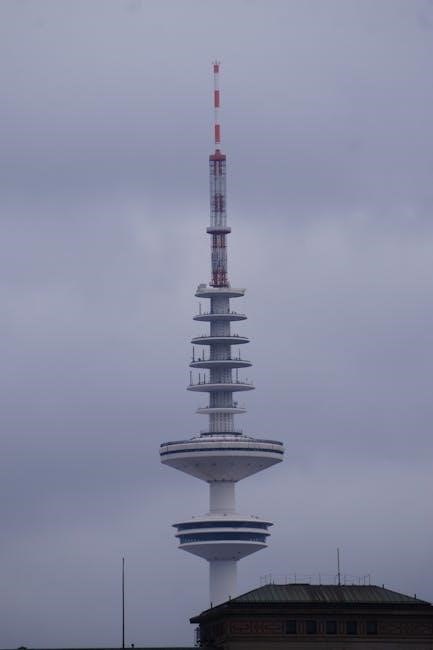
While the initial transition caused some disruption, modern antennas are designed to receive these digital signals without issue. However, understanding the implications remains important. Rescanning your TV regularly is crucial, as channels may change frequencies or add new subchannels. The digital format also means that signal strength is more critical; a weak analog signal might have produced a snowy picture, while a weak digital signal results in complete signal loss.
Therefore, selecting the appropriate antenna type and optimizing its placement are vital for consistent reception in Louisville. The transition to digital broadcasting has ultimately improved the viewing experience for antenna users.
Resources for Louisville Antenna TV Information
Louisville antenna TV enthusiasts have access to a variety of online resources for staying informed about channel lineups, signal coverage, and potential schedule changes. AllThingsSatellite.tv frequently publishes updated channel lists and antenna guides, proving invaluable for local viewers. Websites like storage.googleapis.com (linked through various blogs) host images of channel lineups, though direct access may vary.
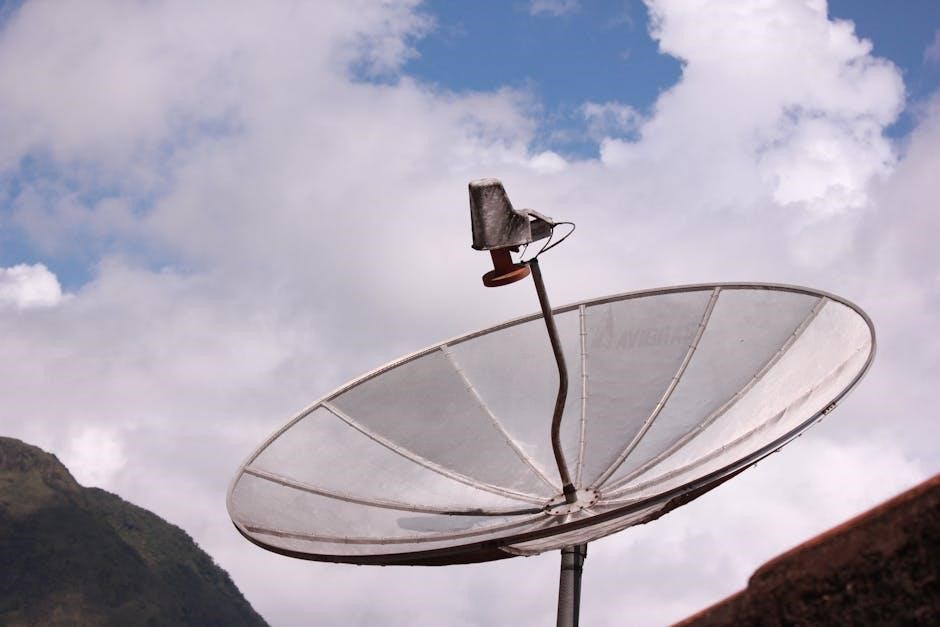
Bing’s image search can reveal current channel maps and listings, while Yandex provides similar visual resources. For specific zip code information, exploring blogs like Norma Cameron’s and Natosha Crosby’s (hosted on storage.googleapis.com) can offer localized insights. However, remember that blog content can change.
Helix-framework.org discusses options for accessing channels like ESPN, though limitations apply with antenna-only setups. Regularly checking these resources, alongside periodic TV rescans, ensures you’re maximizing your OTA viewing experience in Louisville.
Future of OTA TV in Louisville
The future of over-the-air (OTA) television in Louisville appears stable, though evolving. While cord-cutting continues to rise, driving antenna TV adoption, the broadcasting landscape is subject to technological shifts and regulatory changes. The ongoing digital transition, already completed, ensures clearer signals and more efficient spectrum use, benefiting Louisville viewers.
However, the potential reallocation of broadcast spectrum for 5G and other wireless services remains a concern. This could lead to channel repacking or even the loss of some local channels, impacting antenna reception. Staying informed through resources like AllThingsSatellite.tv and regular TV rescans will be crucial.
Despite these uncertainties, OTA TV offers a cost-effective and reliable viewing option, particularly for accessing local news, weather, and entertainment. As long as broadcasters continue to invest in digital infrastructure, antenna TV will remain a viable choice for Louisville residents seeking free, high-quality television;