Cruise Port Guides: A Comprehensive Overview
Navigating the world of cruises requires informed planning, and detailed port guides are essential for maximizing your vacation experience. The industry is booming,
with increasing passenger demand and new ships constantly entering service, making pre-cruise research vital for a smooth and enjoyable journey.
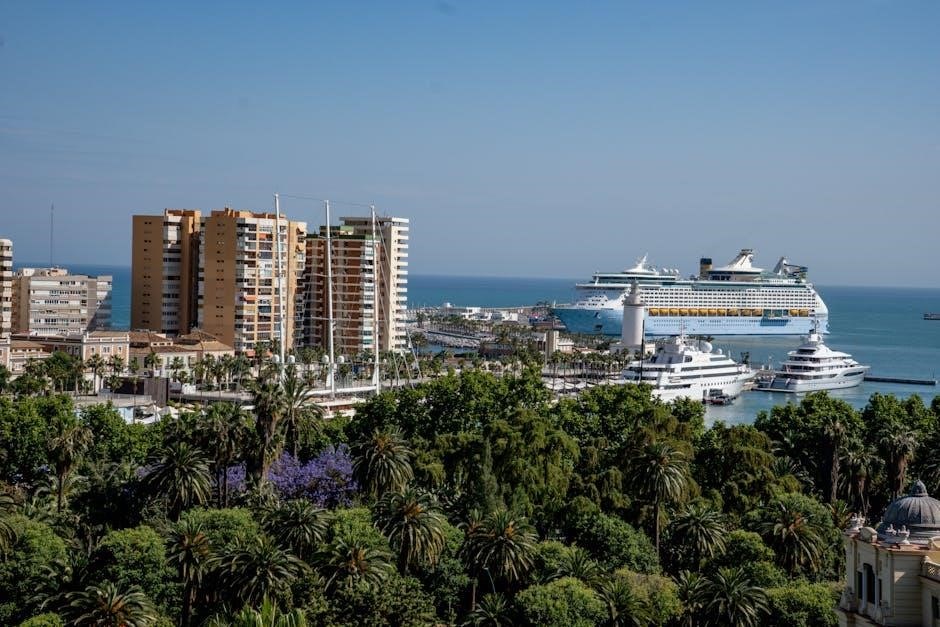
Cruise port guides are indispensable resources for both first-time and seasoned cruisers. They offer detailed insights into the various ports of call, extending far beyond simply knowing where the ship docks. These guides illuminate the unique characteristics of each location, from historical significance and cultural attractions to practical details like transportation options and local dining experiences.
With the cruise industry experiencing substantial growth – as highlighted by CLIA’s 2023 report – the need for comprehensive port information is greater than ever. Popular ports, like Rome and Barcelona, can be overwhelmingly crowded, making pre-planning crucial. A well-researched guide helps travelers navigate these challenges, ensuring a more rewarding and less stressful cruise experience. They empower passengers to make informed decisions about shore excursions and maximize their time in each destination.
The Growing Cruise Industry (2023-2026 Trends)
The cruise industry is experiencing a significant resurgence, with strong growth projected through 2026. Traveler intent to cruise is demonstrably higher in 2023 than in previous years, according to the Cruise Line International Association (CLIA). This surge in demand is driving competition among cruise lines, resulting in a constant influx of new and innovative ships.
This expansion directly impacts cruise ports, increasing passenger volume and necessitating infrastructure improvements. Ports like Port Canaveral are consistently recognized for their excellence, demonstrating the importance of investment and modernization. As more passengers seek diverse destinations, emerging ports are also gaining prominence. Understanding these trends is crucial for cruise passengers, as popular ports may face increased congestion, emphasizing the value of pre-cruise planning and informed port guides.
Popular Cruise Regions & Their Key Ports
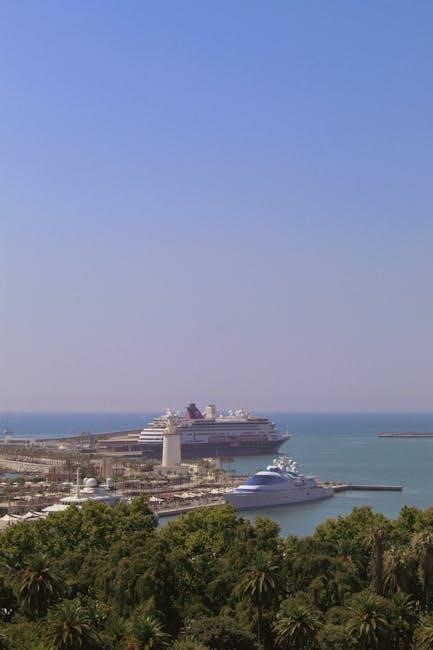
Globally, several regions consistently attract cruise travelers, each boasting unique ports of call. The Caribbean, Mediterranean, and Northern Europe offer diverse experiences and iconic destinations.
Caribbean Cruise Ports
The Caribbean remains a perennial favorite for cruise enthusiasts, offering a kaleidoscope of islands and experiences. Port Canaveral, Florida, frequently recognized as the nation’s best cruise homeport, serves as a convenient gateway for many itineraries. Its ongoing investments in infrastructure contribute to its popularity and efficiency.
Cozumel, Mexico, is another standout destination, particularly renowned for its exceptional diving opportunities and proximity to ancient Mayan ruins. These historical sites provide enriching shore excursions. However, be prepared for potential crowds, as popular ports like these can become congested with tourists disembarking from multiple ships simultaneously. Careful planning and pre-booked excursions can help mitigate this.
Port Canaveral, Florida: A Leading Homeport
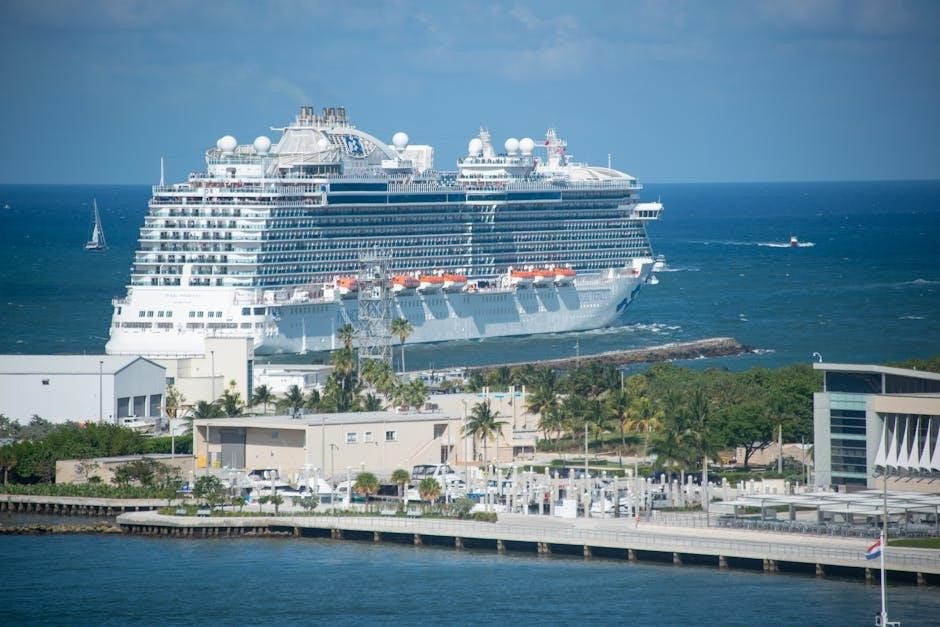
Port Canaveral consistently earns accolades, recently being voted the best cruise homeport in the United States by readers of Cruise Hive; This recognition highlights the port’s dedication to enhancing the passenger experience through strategic investments in state-of-the-art facilities. These improvements streamline embarkation and disembarkation processes, reducing wait times and enhancing overall convenience.
Its prime location on Florida’s Space Coast also offers unique pre- or post-cruise opportunities, including visits to Kennedy Space Center. The port’s accessibility, coupled with a wide range of cruise line options, makes it a highly sought-after departure point. Expect a bustling atmosphere, especially during peak season, but efficient operations generally keep things moving smoothly.
Cozumel, Mexico: Popular for Diving & Mayan Ruins
Cozumel is a perennial favorite among cruise passengers, renowned for its exceptional diving and snorkeling opportunities within the Mesoamerican Reef system. Beyond the underwater allure, the island boasts fascinating Mayan ruins, offering a glimpse into ancient history and culture. Popular excursions include visits to the San Gervasio Mayan archaeological site, providing a captivating cultural experience.
However, Cozumel’s popularity also means it can become crowded, particularly when multiple ships are in port. Pre-booking shore excursions is highly recommended to secure your spot and avoid long queues. The island offers a diverse range of activities, from relaxing on pristine beaches to exploring the vibrant town of San Miguel, ensuring something for every traveler.
Mediterranean Cruise Ports
The Mediterranean region presents a wealth of historical and cultural treasures, making it a highly sought-after cruise destination. However, the popularity of ports like Rome (Civitavecchia) and Barcelona can lead to significant crowds, requiring careful planning to fully enjoy the experience. These ports serve as gateways to iconic cities and ancient civilizations, offering immersive explorations into Europe’s rich heritage.
Navigating these bustling hubs demands pre-cruise research regarding transportation options and excursion availability. Consider the potential for long transfers from the port to city centers. Choosing less crowded times to visit popular attractions, or opting for alternative ports, can enhance your overall Mediterranean cruise experience, ensuring a more relaxed and rewarding journey.
Rome (Civitavecchia), Italy: Historical Significance & Crowds
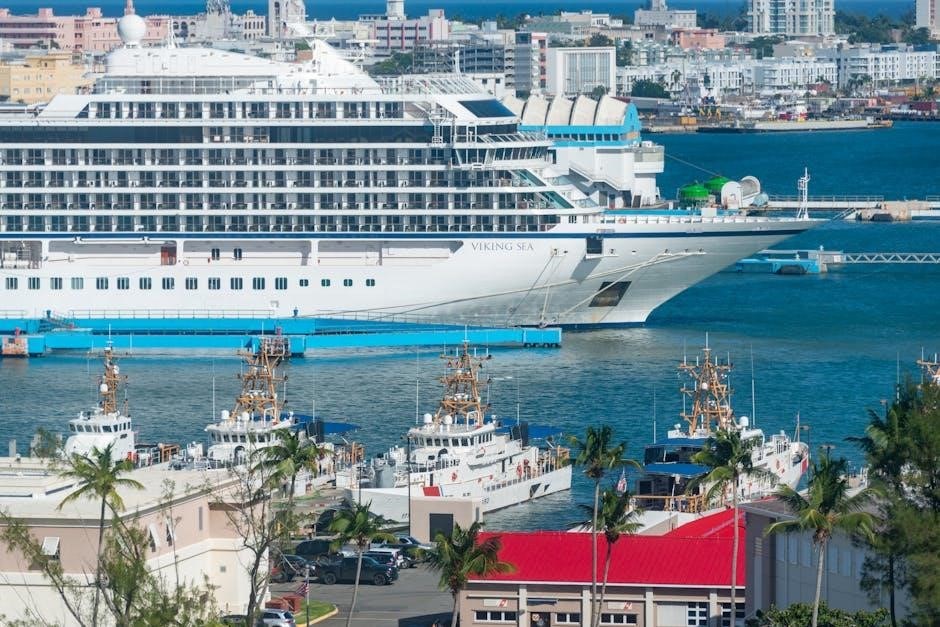
Rome’s cruise port, Civitavecchia, offers unparalleled access to one of history’s most captivating cities. However, its immense popularity translates to substantial tourist volumes, particularly during peak season. Arriving at Civitavecchia often means encountering a “sea of tourists” disembarking from numerous ships simultaneously, potentially leading to lengthy queues and crowded attractions.
Effective pre-planning is crucial. Consider pre-booking transportation to Rome – trains and private transfers are available – and securing timed-entry tickets for sites like the Colosseum and Vatican City. Exploring beyond the immediate city center, or opting for guided tours that prioritize smaller groups, can mitigate the impact of the crowds and enhance your Roman holiday.
Barcelona, Spain: Architecture, Culture & Tourist Volume
Barcelona stands as a jewel of Mediterranean cruises, renowned for its stunning architecture – particularly Gaudí’s masterpieces – and vibrant Catalan culture. Like Rome, however, Barcelona experiences significant tourist influx, especially from cruise passengers. This high volume can impact the experience at popular landmarks like Sagrada Família and Park Güell, leading to long lines and crowded spaces.
To navigate the crowds effectively, pre-booking tickets online is essential. Explore alternative attractions beyond the main tourist trail, such as the Gothic Quarter’s hidden squares or the charming Gràcia neighborhood. Utilizing Barcelona’s efficient public transportation system can also help bypass congestion and allow for a more immersive exploration of this captivating city.
Northern European Cruise Ports
Northern Europe presents a unique cruise experience, offering breathtaking scenery and culturally rich destinations. Ports like Copenhagen and Stockholm serve as gateways to the Scandinavian region, promising explorations of fjords, historic cities, and captivating archipelagoes. These cruises often focus on immersive experiences, blending urban adventures with natural beauty.
Expect a different pace compared to Mediterranean itineraries; Northern European cruises emphasize exploration and discovery. Copenhagen provides easy access to castles and charming towns, while Stockholm’s archipelago offers stunning boat tours. Careful planning is key, considering the region’s variable weather and potentially shorter daylight hours, especially during shoulder seasons. Prepare for cooler temperatures and pack accordingly for optimal enjoyment.
Copenhagen, Denmark: Gateway to Scandinavian Exploration
Copenhagen consistently ranks as a top Northern European cruise port, lauded for its accessibility and diverse attractions. Serving as a crucial embarkation and disembarkation point, it provides seamless access to the wider Scandinavian region. The city itself boasts a rich history, vibrant culture, and stunning architecture, easily explored on foot or by bicycle.
Popular excursions include visits to Tivoli Gardens, Rosenborg Castle (housing the Danish Crown Jewels), and the colorful Nyhavn harbor. Beyond the city, day trips to nearby castles and charming towns are readily available. Copenhagen’s efficient public transportation system makes independent exploration convenient. Expect a well-organized port facility catering to a high volume of cruise passengers, ensuring a smooth transit experience.
Stockholm, Sweden: Archipelago & City Experiences
Stockholm offers a unique blend of urban sophistication and natural beauty, making it a highly sought-after Northern European cruise destination. The city, built on 14 islands, presents a picturesque landscape of waterways, historic buildings, and modern design. Cruise ships often dock centrally, providing easy access to key attractions like Gamla Stan (Old Town), the Vasa Museum, and the Royal Palace.
However, Stockholm’s true allure lies in its stunning archipelago – a network of over 30,000 islands and islets. Excursions to the archipelago offer breathtaking scenery, charming fishing villages, and opportunities for kayaking or wildlife spotting. The port facilities are well-equipped to handle large cruise vessels, and the city’s efficient public transport facilitates independent exploration.
Essential Information for Cruise Passengers
Successful cruising hinges on preparation. Thorough pre-cruise port research, understanding embarkation/disembarkation procedures, and knowing transport options are key to a stress-free voyage.
Pre-Cruise Port Research
Diligent pre-cruise port research is paramount for a fulfilling experience. Understanding what awaits you at each destination allows for optimized planning and minimizes potential disappointments. Investigate the port’s infrastructure, available facilities, and typical crowd levels, especially for popular locations like Rome or Barcelona, where congestion can be significant.
Explore potential shore excursions before your cruise, comparing prices and itineraries. Consider your interests – diving in Cozumel, historical tours in Italy, or Scandinavian explorations from Copenhagen – and book accordingly. Familiarize yourself with local transportation options, from airport transfers to public transport and taxi services. Knowing these details beforehand will save valuable vacation time and reduce stress upon arrival.
Navigating the Port: Arrival & Departure
Smooth arrival and departure experiences are crucial for a stress-free cruise. Upon arrival, be prepared for potential queues and follow port signage carefully. Port Canaveral, consistently ranked highly, demonstrates efficient handling of passengers, but even well-managed ports can experience congestion. Have your travel documents readily accessible to expedite the process.
For departure, adhere strictly to the cruise line’s specified times for disembarkation. Allow ample time for security checks and customs procedures. Familiarize yourself with the port layout to locate your transportation – whether it’s an airport transfer, taxi, or private car service. Understanding the flow of passengers will help you navigate efficiently and avoid unnecessary delays, ensuring a relaxed end to your voyage.
Transportation Options from Cruise Ports
Reaching your final destination from the cruise port requires careful consideration of available transportation. Airport transfers and public transportation are often the most economical choices, though they can be time-consuming, especially in bustling ports like Rome or Barcelona. Pre-booking airport transfers is highly recommended to secure a reliable service.
For greater convenience and flexibility, private car services and taxis offer direct routes, albeit at a higher cost. Be sure to agree on a fare beforehand to avoid surprises. Consider ride-sharing apps where available, but confirm designated pick-up locations within the port area. Evaluating your budget, time constraints, and comfort level will guide you towards the optimal transportation solution for a seamless transition.
Airport Transfers & Public Transportation
Budget-conscious travelers often prioritize airport transfers and public transportation options. Many cruise lines offer convenient, though potentially pricier, airport shuttle services. Alternatively, exploring local public transport – trains, buses, and metros – can significantly reduce costs, but requires navigating unfamiliar systems and potentially managing luggage.
Pre-booking airport transfers is advisable, ensuring a smooth transition, especially upon arrival. Researching public transport routes and purchasing tickets in advance can save time and hassle. Be mindful of potential delays and allow ample time to reach the port, particularly during peak season. Weighing cost savings against convenience is key to selecting the best option for your travel style.
Private Car Services & Taxis
For a more comfortable and direct transfer, private car services and taxis offer a premium option. While generally more expensive than public transport, they provide door-to-door service, eliminating the stress of navigating unfamiliar routes with luggage. Pre-booking is highly recommended, especially for popular cruise ports, guaranteeing availability and often a fixed price.
Reputable car services often offer online booking and meet-and-greet services at the airport. Taxis are readily available at most airports, but confirm the fare or ensure the meter is running to avoid surprises. Consider traffic conditions, which can significantly impact travel time and cost, particularly in bustling cities like Rome or Barcelona. Weigh the convenience against the expense to determine if this option suits your needs.
Shore Excursions: Booking & Considerations
Shore excursions are a fantastic way to experience destinations, but careful planning is crucial. Cruise lines offer a wide range of tours, providing convenience and a guarantee the ship will wait for returning passengers. However, these can be pricier than independent options.
Independent excursions, booked through local operators, often offer better value and more personalized experiences. Research thoroughly, checking reviews and ensuring the operator is reputable. Consider the tour’s duration, physical demands, and included amenities. When arriving at popular ports, be mindful of potential crowds and long lines. Pre-booking is strongly advised, especially for sought-after activities, to secure your spot and avoid disappointment.
Dealing with Crowds at Popular Ports
Popular cruise ports, like Rome and Barcelona, can experience significant congestion, potentially impacting your enjoyment. Arriving early or later in the day can sometimes help avoid peak tourist times. Consider visiting during the shoulder seasons (spring or fall) for milder weather and fewer crowds.
Pre-booking tours and transportation is essential to bypass long queues. Explore alternative, less-visited attractions within the port city. Be prepared for potential delays and exercise patience. Utilizing public transportation, when feasible, can sometimes be quicker than relying on taxis or buses stuck in traffic. Remember to stay aware of your surroundings and safeguard your belongings in crowded areas. A little planning can significantly mitigate the impact of large crowds.
Specific Port Features & Amenities
Modern cruise ports offer diverse infrastructure, from shopping and dining to essential facilities. Accessibility features are increasingly common, ensuring comfortable experiences for all passengers.
Port Infrastructure & Facilities
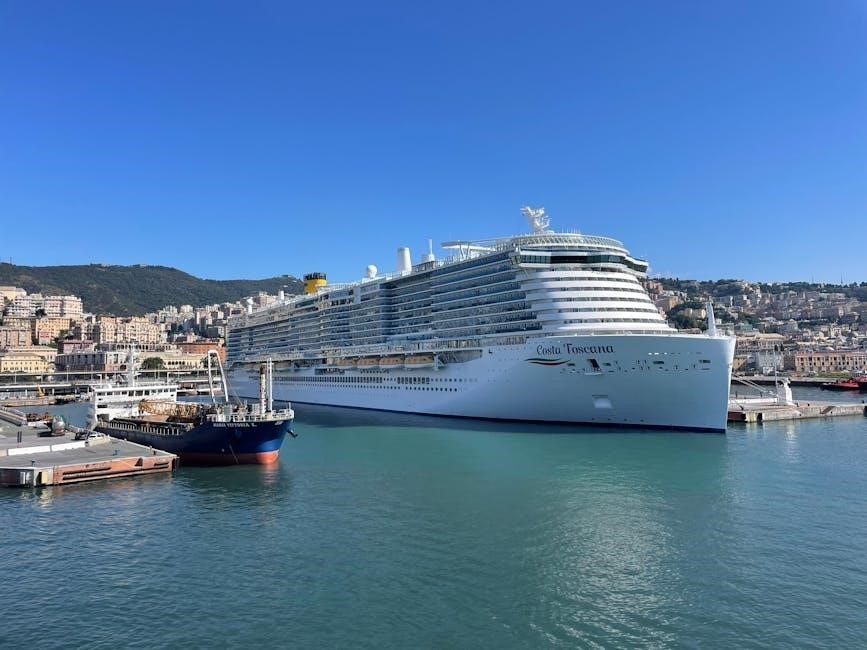
Cruise port infrastructure has dramatically evolved to accommodate the growing size of ships and passenger volumes. Modern facilities now routinely include expansive terminals designed for efficient passenger flow, minimizing congestion during embarkation and disembarkation. Many ports have invested heavily in state-of-the-art baggage handling systems, streamlining the process of getting luggage onboard.
Beyond the basics, many ports offer comfortable waiting areas with seating, Wi-Fi access, and information kiosks. Retail shops and dining options are increasingly prevalent within the terminal buildings, providing convenience for passengers. Security measures are also paramount, with advanced screening technologies and dedicated personnel ensuring passenger safety. Furthermore, dedicated berths and mooring facilities are crucial, alongside provisions for waste management and environmentally responsible practices.
Shopping & Dining Options
Cruise ports have become destinations in their own right, offering diverse shopping and dining experiences. Passengers can often find duty-free shops selling jewelry, watches, perfumes, and liquor, providing potential savings. Local crafts and souvenirs are also readily available, offering a taste of the destination’s culture. Many ports feature upscale boutiques showcasing designer brands, catering to discerning shoppers.
Dining options range from quick-service cafes and snack bars to full-service restaurants serving local cuisine and international fare. Fresh seafood is a common highlight in coastal ports. Ports like Barcelona and Rome offer a wide array of culinary choices, reflecting their rich gastronomic traditions. Exploring these options allows passengers to immerse themselves in the local flavors and culture before or after their cruise.
Accessibility for Passengers with Disabilities
Ensuring accessibility is crucial for all cruise passengers, and ports are increasingly focused on accommodating diverse needs. Many modern cruise terminals feature ramps, elevators, and accessible restrooms to facilitate easy movement for individuals with mobility challenges. Wheelchair rentals are often available at the port, providing assistance for those who require it.
However, accessibility can vary significantly between ports, with older facilities potentially presenting more challenges. Pre-cruise research is vital to confirm the level of accessibility at each port of call. Cruise lines typically provide information regarding port accessibility, and dedicated accessibility departments can assist with planning. Passengers should also inquire about accessible shore excursions to ensure a comfortable and inclusive experience throughout their cruise journey.
Emerging Cruise Ports & Trends
New port developments and a growing focus on sustainable tourism are reshaping the cruise landscape. Innovation and environmental responsibility are driving the future of cruising.
New Port Developments
The cruise industry’s expansion isn’t limited to established hubs; significant investment is flowing into new and upgraded port facilities globally. These developments aim to accommodate larger vessels, increase passenger capacity, and enhance the overall cruise experience. Ports are modernizing infrastructure, including terminals, berths, and on-shore amenities, to attract more cruise lines and passengers.
Several regions are witnessing substantial port development. Investment focuses on creating more efficient embarkation/debarkation processes, improving baggage handling, and offering enhanced security measures. These upgrades are crucial as cruise lines introduce increasingly larger ships, demanding greater port capabilities. Furthermore, new ports are emerging as attractive alternatives to overcrowded destinations, offering unique itineraries and experiences for cruise travelers seeking less-traveled paths.
Sustainable Cruise Tourism & Port Initiatives
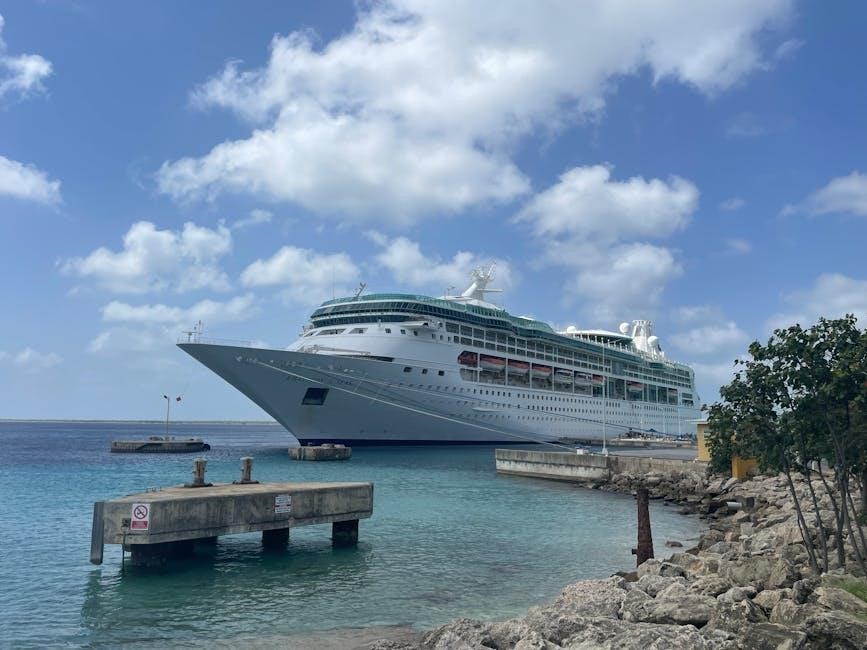
Recognizing the environmental impact of cruise tourism, ports and cruise lines are increasingly prioritizing sustainability. Initiatives range from adopting cleaner energy sources for shore power to implementing robust waste management systems and reducing emissions. Ports are investing in infrastructure to support Liquefied Natural Gas (LNG)-powered vessels and exploring alternative fuels like hydrogen.
Furthermore, destinations are focusing on responsible tourism practices, protecting marine ecosystems, and supporting local communities. This includes promoting eco-friendly shore excursions, minimizing plastic usage, and educating passengers about responsible travel. Collaboration between ports, cruise lines, and local stakeholders is vital for achieving meaningful progress towards sustainable cruise tourism, ensuring the long-term health of both the environment and the industry.